
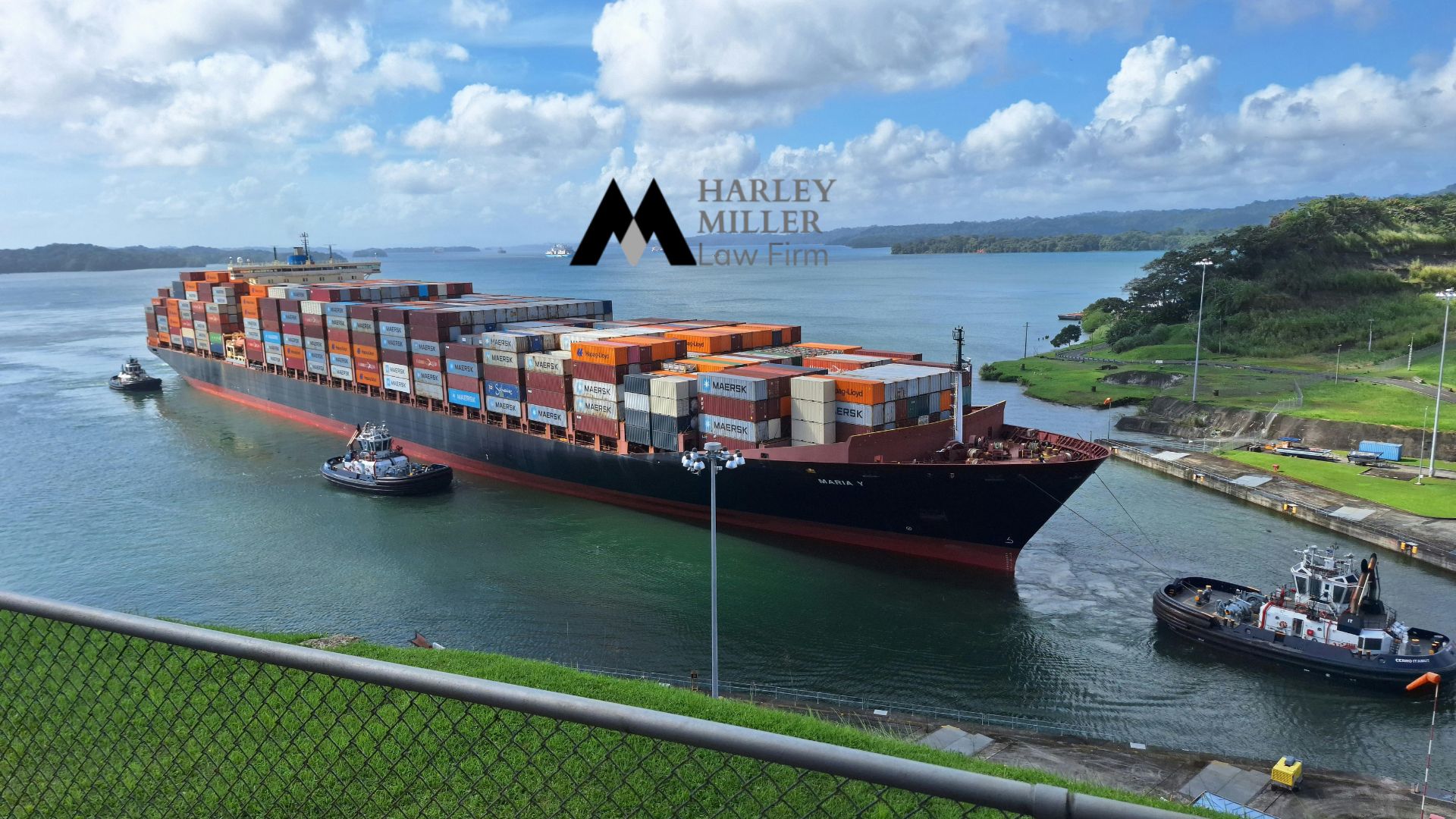


1. Background and Importance of Pollution Risk Control
In the era of globalization, maritime transport acts as the lifeblood of the world economy, undertaking the transportation of the vast majority of international trade volume. Accompanying the strong development of the commercial fleet are tangible environmental risks, among which oil pollution is classified as one of the most severe maritime disasters. The history of the maritime industry has witnessed devastating oil spills, leaving heavy consequences for the marine environment and bankrupting numerous businesses due to the inability to pay massive compensation. To control risks and establish a transparent legal corridor regarding compensation liability, the International Maritime Organization has promulgated a system of strict international conventions. The most prominent and directly influential to the daily operations of current fleets are the International Convention on Civil Liability for Oil Pollution Damage of 1992 and the International Convention on Civil Liability for Bunker Oil Pollution Damage of 2001.
The reality of legal consulting and state management in Vietnam reveals an alarming situation where many shipowners, operators, and technical management companies still have profound confusion between the scope of the International Convention on Civil Liability for Oil Pollution Damage of 1992 and the International Convention on Civil Liability for Bunker Oil Pollution Damage of 2001. This misunderstanding does not stop at the theoretical level but has led to countless practical consequences. Many maritime transport enterprises, due to incorrectly identifying the regulated objects, have put ships into operation lacking mandatory certificates, or used the wrong type of Certificate of Insurance issued by shipowners civil liability protection and indemnity clubs. The legal consequences for these errors are extremely severe. Violating vessels are frequently detained urgently by port state control forces, causing tens of thousands of dollars in damages each day due to commercial schedule disruptions, while facing very heavy administrative fines from local authorities. More dangerously, if an oil spill actually occurs in the absence of a valid insurance certificate, the enterprise will be stripped of all rights to limit compensation liability and must personally bear all cleanup costs, ecological compensation, as well as damages to third parties.
2. Legal Nature and Core Definitions of the Conventions
2.1. Foundation and Definition of the 1992 Civil Liability Convention
The International Convention on Civil Liability for Oil Pollution Damage of 1992 is commonly referred to by the maritime community as the CLC 1992. This is an amended and perfected version of the original 1969 Convention, which was born as an emergency response of the international community following the historic oil spill disaster of the Torrey Canyon vessel. The core nature of the CLC 1992 is to establish a strict civil liability mechanism for shipowners to ensure adequate compensation for victims damaged by oil pollution.
The CLC 1992 clearly stipulates the source of liability. The central concept of this convention is cargo oil pollution, meaning the type of oil pumped into the ship cargo holds for the purpose of commercial transportation from one port to another. To shape the scope of application, the convention limits the regulated objects specifically to specialized oil tankers newly built or converted to transport oil in bulk as cargo. This concept encompasses persistent hydrocarbon mineral oils that are hard to degrade and capable of causing long term damage to the marine ecosystem, such as crude oil, heavy fuel oil, heavy diesel oil, and lubricating oils. Compensation liability arises when this volume of cargo oil escapes or is discharged into the marine environment during transportation, causing property damage, environmental degradation, or incurring costs for risk prevention measures.
2.2. Foundation and Definition of the 2001 Bunker Convention
For many decades, international law focused its attention on giant oil tankers while inadvertently ignoring another tangible risk. The explosive development of the shipbuilding industry has given birth to super container ships, iron ore carriers, and passenger ships carrying thousands of tons of fuel oil used to run their engines. This volume of fuel oil, when spilled into the sea due to collisions or groundings, also causes environmental devastation no less severe than a small oil tanker. To fill this serious legal gap, the International Maritime Organization adopted the International Convention on Civil Liability for Bunker Oil Pollution Damage of 2001, commonly referred to as the Bunker Convention 2001.
The core definition of the Bunker Convention 2001 directly targets the risks caused by vehicle operating fuel oil. Accordingly, bunker oil is understood as any hydrocarbon oil including lubricating oil used or intended to be used to serve the operation of the main engine, generators, and other propulsion systems on the ship. Instead of being limited to oil tankers, the Bunker Convention 2001 expands the concept of a seagoing ship to include any vessel operating at sea and floating crafts of any type whatsoever, provided they use fuel oil for operation. The ultimate goal of the convention is to ensure that a source of financial compensation is available, prompt, and effective for individuals or organizations suffering economic damages caused by bunker oil spills within the territorial waters and exclusive economic zones of member states.
3. Detailed Comparison between CLC 1992 and Bunker 2001
To avoid costly mistakes during the preparation of ship dossiers, managers must master five fundamental distinguishing points between these two convention systems. Understanding the legal boundaries clearly will help businesses optimize insurance purchasing costs and ensure absolute compliance with port authority inspection regulations.
3.1. Differences in the Regulated Ship Objects
The first dividing boundary and also the cause of the most misunderstandings lies in the definition of the legally bound vessels. For the CLC 1992, the attention of international lawmakers focuses solely on oil tankers. If a ship is newly built to transport dry cargo or passengers, it is completely beyond the reach of the legal system stipulated in the CLC 1992. Furthermore, to trigger the mandatory requirement to equip a financial security insurance certificate, the CLC 1992 sets a rather specific cargo volume threshold. It requires that the ship is actually transporting over two thousand tons of oil in bulk as cargo. This creates a very narrow and highly specialized application nature.
In stark contrast to that narrowing, the Bunker Convention 2001 demonstrates comprehensive coverage over the entire global commercial fleet. This convention does not distinguish whether the vessel is designed to carry containers, ores, chemicals, or serve offshore service operations. The only legal criterion to determine the regulated object is the gross tonnage of the ship. Specifically, any seagoing ship with a gross tonnage equal to or greater than one thousand GT automatically falls into the scope of regulation and is mandatory to maintain liability insurance for bunker oil. This regulation creates a widespread safety net, ensuring that all medium and large sized sea vessels have financial preparation to deal with oil spill disasters.
3.2. Differences in the Source of Pollution Risk
The second difference revolves around the nature and intended use of the oil causing the environmental pollution incident. Through the lens of the CLC 1992, the risk is shaped by the volume of commercial oil pumped into the ship cargo holds, which is the cargo the ship is chartered to transport. The leakage of this cargo into the ecological environment is the sole object of compensation. A subtle point in maritime jurisprudence is that the CLC 1992 also maintains liability for unladen voyages of oil tankers. In the event an oil tanker has just discharged its cargo and is sailing unladen, the cargo oil residues or cargo hold washing water mixtures remaining on board, if discharged illegally or leaked due to an accident, still fall within the compensation scope of this convention.
Conversely, the regulatory system of the Bunker Convention 2001 is completely separated from the concept of commercial cargo. The risk identified here arises from the bunker fuel tanks, piping systems, filtration equipment, and engines serving the very operation of the ship itself. Even if a dry cargo ship is completely empty without a single gram of cargo on deck, the massive volume of fuel oil contained in the underground tanks beneath the ship bottom remains a ticking environmental time bomb. The Bunker Convention 2001 establishes compensation liability for the unintended release of this very oil serving internal consumption.
3.3. Allocation of Legal Status of the Principal Liable Party
Although both conventions apply the legal philosophy of strict liability to the polluter, the zoning of the parties held responsible shows clear strategic differences.
The CLC 1992 applies a unique principle called the channeling of liability. Under this mechanism, the law points its finger at a single entity that must bear the entire compensation liability, which is the registered shipowner named on the Certificate of Ship Registration at the time the incident occurs. This philosophy aims to create a single and clear target for victims filing lawsuits, preventing them from getting lost in the complex legal matrix of the maritime transport industry. To reinforce this principle, the CLC 1992 strictly prohibits the initiation of lawsuits demanding pollution compensation against charterers, ship managers, operators, or crew members, except in special cases where these individuals intentionally caused the damage.
The system of the Bunker Convention 2001 is more flexible and broader in scope. This convention defines the liable person to include a group of entities involved in the ship exploitation activities, from the registered shipowner, bareboat charterer, to the manager and direct operator. This expansion stems from the practical operations of dry cargo ships and container ships, where control over the vessel is frequently transferred through complex chartering contracts. However, to ensure feasibility in the issuance of administrative certificates, the regulation on the obligation to purchase mandatory insurance and to be named on the insurance certificate text is still narrowed down solely to the registered shipowner.
3.4. Structure of Liability Limits and Compensation Calculation Mechanisms
The financial compensation aspect is where the largest difference in legislative technique between these two international documents is demonstrated.
The system of the CLC 1992 is a self enclosed and self operating system. It inherently contains a calculation structure for liability limits within its own provisions. This limit level is converted using Special Drawing Rights fixed by the International Monetary Fund to avoid the risk of currency exchange rate fluctuations. According to the 2000 Amendments effective from November first, 2003, the International Maritime Organization significantly increased the compensation limits by approximately fifty percent. Specifically, an oil tanker with a gross tonnage not exceeding five thousand GT will be subject to a compensation limit of four point five one million Special Drawing Rights. For larger ships, the liability level will increase by six hundred and thirty one Special Drawing Rights for each additional unit of tonnage exceeding this threshold. The absolute ceiling that a shipowner must compensate in a single incident is locked at the figure of eighty nine point seven seven million Special Drawing Rights. The shipowner only loses this limitation privilege if judicial authorities prove that the damage occurred due to a deliberate act or gross negligence with a clear awareness of the consequences on the part of the shipowner.
At the other extreme, the Bunker Convention 2001 applies a referencing legislative method. It does not independently set any specific numerical limit. Instead, the convention stipulates that the shipowner and the insurance company have the right to limit their compensation liability in accordance with the provisions of national laws or international conventions on limitation of liability for maritime claims currently in force, most typically the LLMC 1976 and its 1996 Amending Protocol (as amended by the 2012 Amendments). This means that the maximum insurance amount must be cross referenced and calculated to equal the property liability limit specified in the 1996 Amending Protocol (as amended by the 2012 Amendments), which increased the property compensation limits by fifty one percent effective from June eighth, 2015. This referencing creates uniformity within the overall maritime legal system but requires risk managers to have a profound understanding of related international treaties to accurately calculate the insurance ceiling and avoid the risk of purchasing incorrect civil liability insurance limits.
3.5. Essential Benefits from the Direct Action Mechanism against Insurers
Despite many differences, both conventions share a victim protection philosophy that is revolutionary in international law, which is the direct action mechanism.
According to traditional marine insurance principles, a shipowner civil liability insurance contract is an indemnity contract. This means the insurance company only pays the shipowner after the shipowner has actually paid the compensation money to the victims. This old mechanism proves powerless when the shipowner goes bankrupt or lacks the financial capacity to advance the compensation money. To radically overcome this loophole, the CLC 1992 and the Bunker Convention 2001 grant any individual, organization, or government suffering damage the right to file a lawsuit directly demanding compensation from the Protection and Indemnity clubs or the organization providing financial security, completely bypassing the step of having to sue the shipowner.
This mechanism brings an extremely strict legal consequence for insurers. When dragged into a direct lawsuit, the insurance company is not permitted to invoke the bankruptcy of the shipowner to deny liability. More seriously, the insurance company is stripped of the right to use standard liability exemption clauses written in the insurance contract to defend against the damaged third party, except for a few specific defense measures such as damage arising from intentional sabotage acts by the shipowner or from acts of war and riots. Precisely because of this stringent binding mechanism, the International Maritime Organization requires member states to control extremely strictly the language and clauses written on the Certificate of Insurance issued by insurance companies.
4. Criteria for Determining the Mandatory Nature of Certificates under CLC 1992
To ensure absolute legal compliance, the legal departments of maritime transport companies need to screen their vessels through a rigorous system of inspection criteria. A ship is only required to carry a CLC 1992 Certificate when it fully meets the convergence of the following technical and commercial elements.
4.1. Inspection Criteria for Specialized Ship Definitions
The first screening step begins with the registration dossier of the vessel. The convention stipulates that seagoing ships falling within the scope of regulation must be vessels designed originally or having undergone in depth technical conversion to serve the transportation of oil in bulk as cargo. This criterion identifies the targets as crude oil tankers, refined oil product tankers, and similar transport vehicles. For combination carriers such as ore and oil carriers, the obligation to apply the CLC 1992 will be triggered the moment the ship begins to receive cargo oil pumped into its holds, and this obligation continues to remain in effect on subsequent unladen voyages until the entire cargo hold system is cleaned and certified completely free of oil residues.
4.2. Inspection Criteria for Cargo Volume and Characteristics
The fact that a ship is designed to carry oil is not enough to generate the obligation to apply for a financial security certificate. The sufficient condition is the quantitative amount of the cargo. Vietnamese law and international conventions strictly require shipowners to submit an application dossier for a CLC 1992 Certificate when the ship carries in bulk over two thousand tons of oil as cargo. If a small sized coastal oil tanker only carries about one thousand five hundred tons of oil, it is not forced to have a national level CLC 1992 certificate, although the shipowner must still maintain standard civil liability insurances according to local environmental protection laws. In addition, the nature of the oil also plays a decisive role. The cargo oil must belong to the persistent hydrocarbon oil group. If the ship specializes in transporting non persistent, highly volatile oil products such as light gasoline or other toxic liquid chemicals, it will not fall under the regulation of the CLC but will be subject to the control of other legal regulations.
4.3. Inspection Criteria for Routes and Port State Control Requirements
The operational space of the ship determines the possibility of the vessel being inspected by functional forces. Accordingly, every oil tanker flying the nationality flag of a state that has ratified the CLC 1992 must possess this certificate regardless of which sea areas they operate in. Conversely, an oil tanker flying the flag of a state that has not joined the convention, when wishing to enter the territorial waters, internal waters, or dock at a port to load or unload cargo within the territory of a member state of the convention, is mandatory to present a valid CLC Certificate issued by another member state. Because Vietnam is a member of the CLC 1992, all foreign oil tankers carrying over two thousand tons of cargo when arriving at Vietnamese seaports are subject to this supervision.
4.4. Conclusion on Typical Mandatory Application Cases
Through the screening process of the above criteria, we can conclude that the most typical, frequent, and mandatory objects required to renew the CLC 1992 Certificate are the fleet of crude oil tankers and product tankers participating in the commercial transport market, undertaking voyages carrying over two thousand tons of bulk oil or currently sailing unladen after having just discharged this type of cargo.
5. Criteria for Determining the Mandatory Nature of Certificates under Bunker 2001
The universality of the Bunker Convention 2001 makes the list of regulated vessels much longer compared to the CLC 1992. The screening process for the Bunker certificate is simpler but requires attention regarding non specialized oil carrying ships.
5.1. Inspection Criteria for Ship Tonnage Thresholds
The key to unlocking the application door of the Bunker Convention 2001 lies in a single technical parameter, which is the gross tonnage of the ship. Current Vietnamese maritime law clearly and strictly stipulates that all seagoing ships flying the Vietnamese nationality flag as well as seagoing ships flying foreign nationality flags with a gross tonnage of one thousand GT or more automatically fall into the category mandatory to have a Certificate of Insurance or financial security in respect of civil liability for bunker oil pollution damage 2001. Just by looking up the Certificate of Ship Registration, if the GT number is greater than or equal to one thousand, the shipowner must by default proceed to purchase insurance and submit a dossier applying for the Bunker certificate.
5.2. International Trading Operations and Port State Control Supervision
The presence of the Bunker 2001 Certificate is one of the top inspection targets of officers belonging to the port state control forces globally. General cargo ships acting as the backbone of the supply chain, such as dry bulk carriers, container ships, vehicle transport vessels, and liquefied gas carriers, frequently have to execute transoceanic voyages. When docking at a port in a convention member state, failing to present the original Bunker 2001 Certificate is evidence constituting a serious violation of international law. The seaport management authority has full legal competence to issue a decision detaining the ship, forbidding the ship from leaving the port until the shipowner arranges a lawful financial security certificate, causing colossal economic and commercial reputation damage to the enterprise.
5.3. Simultaneous Correlation for Large Sized Oil Tankers
One of the most serious cognitive errors in the industry is the mutually exclusive mindset between the two conventions. Many shipowners mistakenly believe that once an oil tanker has the CLC 1992 Certificate, it is exempted from the Bunker certificate. However, the International Maritime Organization has issued a resolution clarifying that an oil tanker still consumes fuel oil to operate its propulsion engine system. This volume of fuel oil harbors an independent pollution risk, unrelated to the volume of cargo oil contained in the cargo holds. The inevitable legal consequence is that oil tankers with a gross tonnage greater than one thousand GT and currently transporting over two thousand tons of cargo oil will be mandatory to simultaneously maintain both types of liability insurance certificates on board. They are two parallel legal regimes, complementing each other rather than excluding each other.
6. Legal Structure of the Financial Security Document Set
Another common confusion among transport enterprises is equating the insurance contract with the certificate issued by state agencies. In reality, legal regulations require a documentation structure consisting of two separate components but linked together in a strict logical sequence.
6.1. Financial Security Certificate Issued by the Insurance Organization
The first foundational document is called the Certificate of Insurance, or the familiar specialized term is the Blue Card. The Blue Card is a document issued by shipowners civil liability Protection and Indemnity clubs belonging to the International Group, or by reputable credit financial institutions approved by the state for the shipowner. The core nature of this document is a commercial confirmation that the shipowner has fully paid the insurance premium and the ship is currently protected by a valid civil liability insurance contract.
To be accepted by functional authorities, the Blue Card must contain core data including the ship name, IMO identification number, the name and address of the registered shipowner, and the commencement and termination duration of the insurance contract. Most importantly, this document must accurately quote the reference clause to the regulations of the CLC 1992 or the Bunker Convention 2001, while committing that the insurance company will comply with the direct action mechanism from third parties.
6.2. Convention Certificate Issued by the State Management Authority
The Blue Card is only a necessary condition, not a sufficient condition. Maritime patrol forces or port state control officers do not accept the Blue Card as the final legal evidence. The shipowner is mandatory to use the Blue Card as a documentary basis to submit a dossier applying for the Convention Certificate at the state management authority of the state whose flag the ship flies. The Convention Certificate is the newly valid legal document carrying national sovereignty character, officially acknowledging that the ship has fully complied with the requirements of international law. The validity duration recorded on the Convention Certificate will be set to coincide absolutely with the time period confirmed by the insurance on the Blue Card.
6.3. Logical Sequence of the Certificate Completion Process
The formation of a lawful set of documents follows an irreversible chain of processes. As the initial step, the shipowner successfully negotiates the insurance contract with the Protection and Indemnity club. Next, the club issues the Blue Card carrying precise legal language and sends the original or electronic version to the shipowner. After that, the shipowner compiles a dossier attaching the Blue Card to submit to the ship registration authority. The state authority proceeds to appraise the legality of the insurance organization, inspects the matching information, and issues the original Convention Certificate. Finally, the shipowner has the responsibility to store this original Convention Certificate on the ship to be ready for presentation throughout the maritime exploitation operations.
7. Legal System and Certificate Application Dossier Categories in Vietnam
To adapt to new demands in state management work and international integration, the legal framework adjusting the issuance process of these types of certificates in Vietnam has undergone very strong institutional reforms, requiring businesses to update continuously to avoid dossier delays.
7.1. Transfer of State Management Authority and New Legal Documents
The most important institutional turning point was the Government promulgation of Decree No. 33/2025/ND-CP on February twenty fifth, 2025, officially legally effective from March first, 2025. According to the content of this decree, all state management functions regarding maritime and inland waterways, including the organizational apparatus of the Vietnam Maritime and Waterway Administration, have been completely transferred from the Ministry of Transport to the direct management and administration of the Ministry of Construction.
Immediately after the transfer process, in order to establish a synchronized legal corridor and cut down cumbersome administrative procedures, the Minister of Construction signed and promulgated Circular No. 22/2025/TT-BXD on July thirty first, 2025. This circular details the issuance and revocation of the Certificate of Insurance or financial security in respect of civil liability according to the CLC 1992 and the Bunker Convention 2001. Taking effect on September thirtieth, 2025, Circular 22/2025/TT-BXD officially abolishes the entire validity of previous documents, including Circular No. 12/2011/TT-BGTVT and Circular No. 46/2011/TT-BGTVT previously issued by the Ministry of Transport. All activities of receiving dossiers, appraising, and issuing certificates from this point forward are carried out by the Vietnam Maritime and Waterway Administration, or decentralized Sub departments and Maritime Port Authorities, according to the new standards.
7.2. Detailed Requirements for Dossier Components for Vietnamese Flagged Ships
Following the spirit of administrative procedure reform concretized in Circular 22/2025/TT-BXD, the dossier compilation process for the national fleet has been maximally streamlined through the application of interconnected electronic databases. Shipowners need to prepare a dossier including the following components.
First, the application form for the Certificate from the shipowner is made according to the template prescribed by the Ministry of Construction. This application can be submitted as an original paper copy or an electronic version through the online public service system of the ship registration authority.
Second, the original or electronic version of the Blue Card Insurance Certificate issued by the insurance organization. The content of the Blue Card must clearly reflect its conformity with the conditions specified in Article VII of the CLC 1992 or Article 7 of the Bunker Convention 2001. In cases where risks are allocated across multiple layers of insurance, the shipowner has the responsibility to submit all original certificates of all units participating in reinsurance.
The biggest breakthrough of the new procedure is the abolishment of the dossier component requiring the submission of a copy of the Certificate of Ship Registration for ships flying the Vietnamese nationality flag. Instead of requiring businesses to submit physical papers, the state management authority will automatically extract and look up data from the National Ship Registration Database to cross check information regarding the ship name, IMO identification number, GT gross tonnage parameter, and the legal entity name of the ship owning organization.
The fee for Certificate issuance is collected according to the current regulations of the Ministry of Finance. Businesses can choose the method of paying directly at the headquarters of the ship registration authority or paying conveniently via the payment portal of the online public service system before receiving the results. The procedure resolution process is set within a time limit of two working days from the moment the functional authority receives a complete and valid dossier. The returned result for the shipowner is an original Certificate, while the registration authority will keep a copy in the dossier archive.
7.3. Detailed Requirements for Dossier Components for Foreign Flagged Ships
In the context of integration, Vietnamese functional authorities also frequently carry out the issuance of certificates for seagoing ships flying foreign nationality flags, especially when the flag state has not yet participated in ratifying the convention, leading to the ship having to apply for certification from another member state to facilitate international port calls. For this target group, because Vietnamese functional authorities do not have direct access to the registration databases of foreign countries, the dossier components will have stricter requirements on the identification verification stage. In addition to the application form and the original Blue Card, foreign organizations are mandatory to submit alongside a copy of the Certificate of Ship Registration issued by the competent authority of the flag state. This document plays a decisive role in helping the Vietnamese state management authority have a sufficient legal basis to cross check core technical parameters and verify the legal entity status of the registered shipowner before issuing the certificate.
7.4. Strict Regulations on the Revocation of Issued Certificates
To maintain discipline and ensure the rule of law in maritime management activities, Circular 22/2025/TT-BXD dedicates an entire chapter stipulating very strictly the cases where state agencies have the right to revoke Certificates. Article thirteen of the circular stipulates that the ship registration authority has the competence to issue a decision to immediately revoke and annul the legal validity of the CLC 1992 or Bunker 2001 Certificate if it detects that the shipowner has committed any of the following violations.
Firstly, the act of forging, altering, erasing, or intentionally falsifying the information content recorded on the Certificate. Secondly, the act of buying, selling, leasing, or lending the Certificate for use on another vehicle not matching the registered dossier. Thirdly, the business intentionally declaring false information or using forged, erased paper documents during the process of establishing the initial Certificate application dossier for the purpose of deceiving the state management authority.
8. Identifying Common Error Categories Leading to Licensing Rejection or Vessel Detention Risks
Evaluating data from the dossier reception process at management agencies and penalty records of port state control forces indicate that the vast majority of legal troubles businesses encounter stem from minor detailed errors that cause systemic consequences.
8.1. Data Discrepancies in Vessel Identification and Legal Entity Status
Information inconsistency between the Blue Card insurance certificate and the Certificate of Ship Registration is the leading cause for dossiers to be returned by state agencies or rejected by functional forces at the port. In marine insurance law, the principle of utmost good faith requires all parameters to be accurate down to every character. If the Blue Card document incorrectly records the IMO identification number of the ship, reflects a skewed GT tonnage parameter, or types out an incomplete legal entity name of the owning organization, inspection forces will immediately deny the validity of this document. The deep seated reason is that any data discrepancy, no matter how small, could create a legal loophole for insurance companies to exploit and deny compensation liability when a large scale environmental pollution incident occurs.
8.2. Violations of Legal Wording and Insurance Cancellation Notice Clauses
A civil liability insurance contract is not an ordinary commercial contract but is strongly governed by regulations in international law. According to the mandatory requirements of both the CLC 1992 and the Bunker Convention 2001, the financial security document must contain an extremely strict cancellation notice clause to protect public interests. The dossier appraisal authority mandates that the Blue Card document must contain wording affirming that the insurance contract will not terminate its validity for any reason before the elapse of a three month period counting from the date the insurance organization sends an official written notification of contract termination to the state management authority that issued the Convention Certificate.
The root cause of this three month regulation is to establish a safe buffer time. It provides the flag state government with sufficient time to proceed with notifying risks to other port states, demanding the shipowner to halt operations and carrying out the procedure to revoke the Convention Certificate before the ship actually falls into an unprotected insurance status. If the Blue Card issuing unit omits or changes the duration of this three month clause, the entire dossier will certainly be rejected for reception by the Vietnamese state management authority due to a serious violation of the convention principles.
8.3. Disastrous Misunderstandings of the Regulatory Boundaries between the Two Conventions
As discussed in the theoretical section, confusion between the definitions of cargo oil pollution and bunker oil pollution is a common cause leading to a shortage of certificates. Many shipowners of dry bulk carriers and container ships hold a flawed mindset that the term oil pollution only applies separately to specialized oil tankers. Therefore, they completely ignore negotiating insurance contracts and applying for Bunker 2001 certificates for their ships with a tonnage over one thousand GT. In the opposite direction, some technical managers of the oil tanker fleet are overly confident, assuming that possessing solely the CLC 1992 certificate has met all the requirements of the International Maritime Organization, completely forgetting the obligation to additionally maintain the Bunker 2001 certificate to cover the risk from the bunker oil operating the main engines. These fundamentally distorted interpretations are the direct reasons leading to ships being ticketed for violations and having their operations suspended at international seaports.
8.4. Time Gaps in the Insurance Cycle Renewal Process
The international marine insurance industry, particularly the group of Protection and Indemnity clubs, operates according to a very specific time cycle. Annually, the commencement and termination times of insurance contracts are usually set simultaneously on February twentieth. This characteristic creates massive administrative pressure on both the legal departments of transport companies and the dossier reception systems of state management agencies. If the shipowner does not have a proactive plan to negotiate the renewal of the insurance contract and submit the application dossier for a new certificate before the time point of February twentieth, the ship will fall into a state of broken legal validity. In this state, the old Certificate has officially expired while the new Certificate is still in the queue waiting for the state agency to approve and issue it. Allowing a ship to continue circulating on international maritime routes or carrying out cargo loading and unloading at ports with an expired civil liability insurance certificate is a serious violation behavior, facing maximum framework fines and the risk of immediate vessel arrest.
9. Practical Practice Scenario Chain for Fleet Management Risk Evaluation
To systematize and concretize the academic legal knowledge mentioned above, placing them into hypothetical scenarios based on the practical operational context of commercial fleets is the most effective evaluation method.
9.1. Practical Scenario for a Dry Cargo Ship with a Gross Tonnage of Ten Thousand GT
Assuming a transport company is operating an iron ore carrier with a specialized single hull design for bulk cargo. This ship has a gross tonnage reaching the level of ten thousand GT and is in the preparation stage to execute a voyage carrying ore from a Vietnamese seaport to a country in the European region.
The first evaluation step determines the nature of the vessel. This ship is designed to carry ore, is absolutely not a bulk oil tanker, and in reality does not transport any type of cargo oil. Based on the definition of the law, this ship is certainly not subject to application and absolutely does not need to undergo procedures to be issued a CLC 1992 Certificate.
The second evaluation step cross checks the size threshold. With a gross tonnage level of ten thousand GT, the ship has far exceeded the minimum threshold of one thousand GT prescribed by the international convention. Therefore, this ship fits squarely into the category mandatory to strictly comply with the regulations of the Bunker Convention 2001.
The legal action step dictates that before the ship can weigh anchor and leave the port, the company management department is mandatory to contact the Protection and Indemnity club to apply for a valid Bunker Blue Card. Afterwards, they must submit this dossier to the ship registration authority under the management competence of the Vietnam Maritime and Waterway Administration to apply for the issuance of the Bunker 2001 Certificate. The Captain must have the responsibility to store and carry the original of this certificate throughout the voyage to Europe to present to the inspection forces at the destination port.
9.2. Practical Scenario for a Large Specialized Crude Oil Tanker
The second assumption focuses on a specialized vessel designed and registered as a crude oil tanker. This ship has a gross tonnage of thirty thousand GT, currently executing a contract to transport fifty thousand tons of crude oil in its cargo hold system.
The first evaluation step assesses the oil tanker status. Because it is an oil tanker carrying a colossal volume of bulk cargo, far exceeding the minimum prescribed limit of two thousand tons, this vessel must certainly be subjected to the direct regulation of the CLC 1992. The shipowner does not have the right of exemption and must prepare a dossier applying for the CLC 1992 Certificate issued by the flag state government.
The second evaluation step evaluates the dual risk. The ship tonnage is thirty thousand GT, passing the mandatory milestone of one thousand GT of the Bunker Convention. This giant ship itself must still use a large amount of heavy fuel oil to operate its main engine and generator systems. Leakage from the bunker tanks beneath the ship bottom brings an independent pollution risk, unrelated to the crude oil volume in the cargo holds. Based on the guidance of the International Maritime Organization, this oil tanker must still be subject to the regulation of the Bunker Convention 2001.
The legal action step in this scenario is more complex. The shipowner must request the Protection and Indemnity club to issue simultaneously two completely separate Blue Card documents, one referencing the CLC 1992 and one referencing the Bunker Convention 2001. From these two foundational documents, the shipowner submits a dossier applying for two independent Convention Certificates to equip the ship before starting to receive cargo.
9.3. Practical Scenario for a Small Coastal Service Vessel
The final assumption relates to a service tugboat specializing in assisting large ships to dock or a passenger ferry operating domestically, having a gross tonnage reaching only eight hundred GT and operating purely within the internal waters and territorial sea areas.
The first evaluation step excludes the CLC Convention. Because it was not newly built to be a bulk oil tanker, this vehicle does not satisfy the core condition of the CLC 1992.
The second evaluation step excludes the international Bunker Convention. The gross tonnage of the ship is eight hundred GT, falling below the mandatory floor level of one thousand GT according to the regulations of the Bunker Convention 2001. Therefore, under international law, this ship is exempted from the obligation to possess a Bunker 2001 Certificate issued by state agencies.
However, the risk warning step emphasizes that the shipowner is not permitted to neglect management work. Despite falling outside the regulatory scope of international conventions, Vietnam domestic legal system regarding marine environmental protection and regulations managing domestic maritime activities still require shipowners to equip equivalent shipowner civil liability insurance policies to have sufficient financial sources to compensate for damages regarding dripping fuel leak incidents that may occur in sensitive port areas.
10. Conclusion and Action Recommendations for Enterprises
10.1. Summary of Core Legal Principles
Understanding thoroughly and clearly distinguishing the legal boundaries between the International Convention on Civil Liability for Oil Pollution Damage of 1992 and the International Convention on Civil Liability for Bunker Oil Pollution Damage of 2001 is the core foundation to maintain legal compliance during the operational process of the commercial fleet. Three pivotal distinguishing principles that legal departments need to memorize absolutely include.
First is the principle regarding the regulated object, while the CLC only directs its focus towards oil tanker types, the Bunker Convention imposes liability on all types of floating vehicles with a size from one thousand GT or more.
Second is the principle regarding the nature of the risk, the CLC establishes a management mechanism for spreading incidents from the cargo which is commercial mineral oil, whereas the Bunker Convention handles the ecological consequences arising from fuel oil spills from the internal operating machinery systems of the ship.
Third is the principle regarding the organizational structure of the certificate set, a dry cargo ship with a tonnage over one thousand GT only needs solely the Bunker certificate, but an oil tanker over one thousand GT carrying a cargo volume exceeding the threshold must mandatorily maintain in parallel both types of CLC and Bunker certificates throughout its operating process.
10.2. Call for Decisive Action from the Executive Board
In the context that Vietnam maritime legal system is undergoing strong shifts and changes, especially the event of transferring the state management authority to the Ministry of Construction according to Decree 33/2025/ND-CP and the strict enforcement of Circular 22/2025/TT-BXD, maritime transport enterprises cannot delay in reviewing their internal processes. It is recommended that chief executive officers, shipowners, ship management and operation companies urgently establish a review committee immediately to synthesize all detailed information regarding the existing fleet.
This review work must carefully cross check every parameter regarding the IMO identification number, GT gross tonnage, classified ship type, specific exploitation route, and the nature of the specialized cargo to compare with the convention requirements. Sending this information to internal legal departments or hiring independent insurance consulting units to re evaluate all risks is a worthy investment. Furthermore, businesses need to establish a process to cross review the legal terminologies written on the Blue Card documents, ensuring compliance with the three month notice clause and maintaining the continuity of the certificates prior to the annual renewal period. Only this meticulous preparation can radically eliminate the risk of ships being detained at foreign seaports, thereby firmly protecting the commercial flow and financial safety for the entire enterprise system.
11. Frequently Asked Questions on Certificate Management
11.1. How can the nature of these two conventions be distinguished most concisely ?
The most concise expression that accurately reflects the legal nature is, the CLC regulates compensation liability due to escape incidents of cargo oil transported on specialized oil tankers, whereas the Bunker Convention handles all environmental consequences of fuel oil spills used for engine operation from all categories of seagoing ships with a size of one thousand GT or more.
11.2. Is a ship that is absolutely not an oil tanker, such as a container ship or a bulk carrier, required to apply for a CLC Certificate ?
The answer is it is absolutely unnecessary. The CLC 1992 has an application scope carrying a specialized nature, only compulsorily governing vehicles newly built or having undergone in depth technical conversion to carry bulk oil as commercial cargo. An ordinary dry cargo container ship, even if designed with super large tonnage, only needs to care about complying with and applying for the Bunker 2001 Certificate regarding the fuel oil volume contained in tanks serving the operation of the main engine system.
11.3. What is the legal motivation for both the Bunker Convention and the CLC to apply a direct action mechanism against the insurance entity ?
The direct action right is integrated into these international conventions aiming at the noble purpose of protecting the supreme interests of the party suffering damage due to catastrophic pollution incidents. This breakthrough legal mechanism allows victims, or state management agencies representing public interests, the right to file lawsuits demanding compensation money directly from giant financial insurance organizations like Protection and Indemnity clubs. The existence of this mechanism completely eliminates the legal loophole allowing shipowners to evade responsibility via tricks such as declaring bankruptcy of the ship owning enterprise or exploiting the form of establishing front companies owning only a single ship to disperse assets after causing serious consequences.
11.4. Is the Blue Card issued by the insurance company legally recognized as a complete substitute for the Convention Certificate ?
The Blue Card document is absolutely not considered a convention certificate and has no substitute value. From a legal perspective, it only plays the role of a commitment document carrying a commercial nature, a type of receipt confirming that the shipowner has legally signed to purchase insurance from an insurance company with sufficient financial capacity. International coast guard forces or port control inspectors will never accept the Blue Card document as valid inspection evidence when boarding the ship. The Blue Card document only exerts its legal value when it is used by the shipowner to submit to the competent state management authority to serve as the basis for reviewing and issuing the original Convention Certificate.
11.5. During vessel inspections, what key elements do port state control officers typically focus on regarding this certificate system ?
When conducting the administrative inspection step on a docked vessel, competent officers will focus their spearhead on screening three core elements carrying a decisive nature. The first element is the physical presence in flesh and blood of the original Convention Certificate stored on the ship. The second element is cross checking the effective dates to ensure that the certificate is still within the legally valid time limit, not yet expired. The third element is the absolute matching of all characters and numbers displayed on the Insurance Certificate compared to the original Certificate of Ship Registration, especially the accuracy of the IMO identification number, the GT tonnage index, the ship name, the port of registry, and the full name of the owning company. Any phase deviation in this reference database is considered a clear evidence of violation and is the most authentic legal basis to issue an order to detain the ship immediately.
This article is for informational purposes only and does not replace professional legal advice. For support tailored to your situation, please contact HMLF lawyers.
HARLEY MILLER LAW FIRM
- Email: [email protected]
- Web: hmlf.vn
- Hotline: +84937215585