
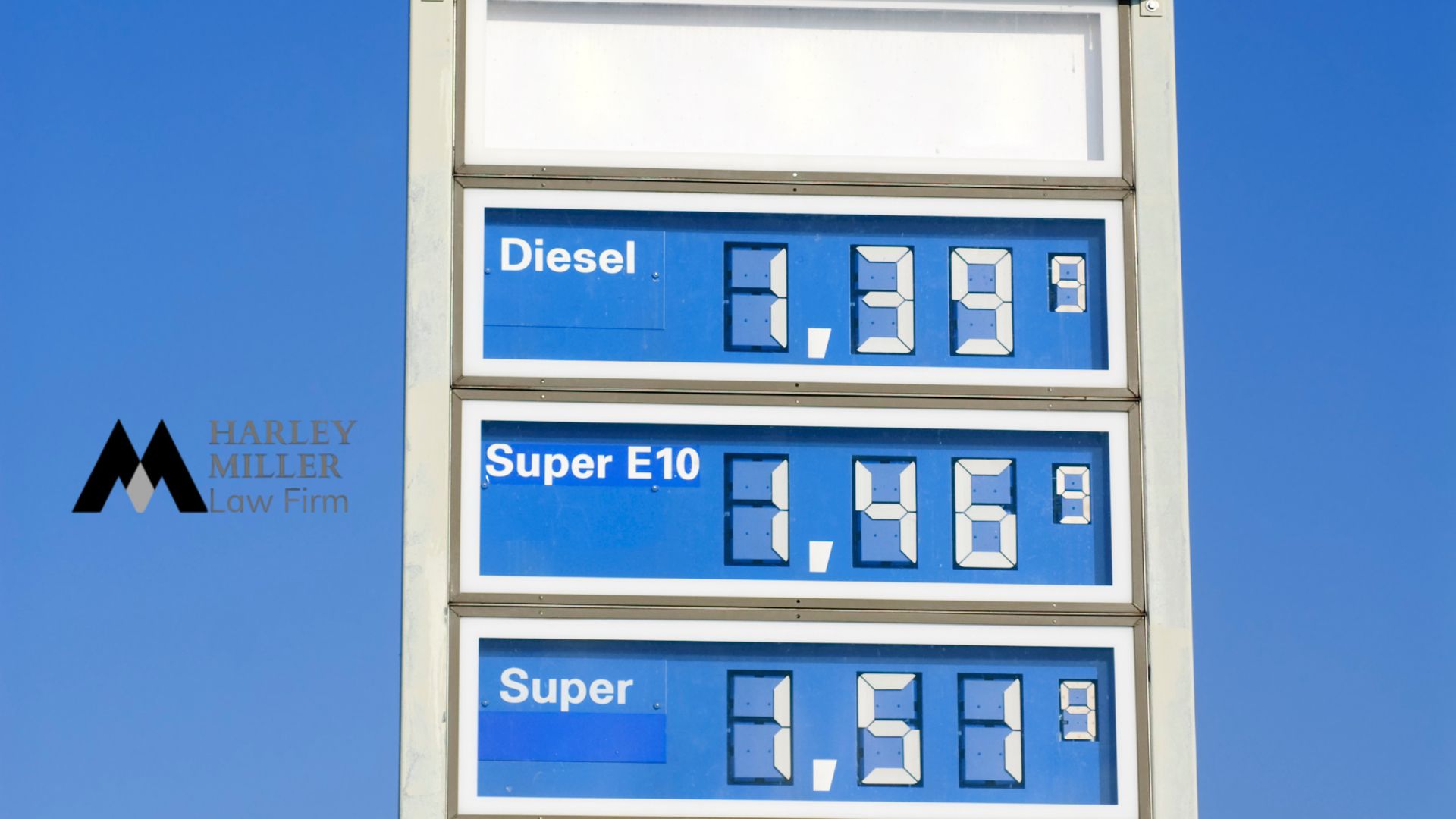


According to Circular No. 50/2025/TT-BCT issued by the Ministry of Industry and Trade, starting from June 1, 2026, all unleaded gasoline circulated nationwide must be blended to form E10 bio-gasoline for use in gasoline engines. The core of this transition heavily relies on the supply of ethanol, which determines the emission reduction effectiveness of bio-gasoline. However, this is also the most significant bottleneck in the supply chain, as current domestic production capacity only meets about 40% of the actual demand, mandating that the remaining shortfall be sourced from imports.
In this context, this report deeply analyzes the impact of the E10 roadmap on the bio-ethanol market in Vietnam. It also provides a legal compliance framework and highlights crucial focal points that Foreign Direct Investment (FDI) enterprises must review when considering participating in production, commerce, logistics, or distribution within the bio-fuel value chain.
1. Technical Concept of E10 Gasoline and the Drivers of Mandatory Ethanol Demand
1.1. Technical Concept of E10 Gasoline
E10 gasoline is defined as a fuel mixture consisting of 10% fuel ethanol by volume and 90% traditional mineral base gasoline. According to Circular No. 19/2026/TT-BKHCN issued by the Ministry of Science and Technology on April 30, 2026, amending the National Technical Regulation QCVN 01:2022/BKHCN, E10 gasoline must maintain an ethanol content within the limit of a minimum of 8.0% to a maximum of 10.0% by volume. Furthermore, the new regulation adds specific provisions limiting the maximum oxygen content in E10 gasoline to 4.0% by mass, which is mandatorily effective from January 1, 2027.
1.2. The Mechanism of Increasing Ethanol Demand
When E10 gasoline becomes the sole fuel standard permitted for circulation nationwide for standard gasoline engines, the demand for ethanol will increase in direct proportion. The general calculation formula is determined as follows:
- Ethanol Demand = Gasoline Consumption Volume X 10%
With the total consumption volume of base gasoline circulating domestically currently reaching 12 million to 15 million cubic meters per year, the demand for ethanol for blending will stably maintain at 1.2 million to 1.5 million cubic meters per year. Consequently, all enterprises participating in ethanol production, ethanol importation, or the blending process must establish their supply plans based on the total demand for base gasoline as well as the actual implementation speed of retail distribution systems.
2. The Sudden Surge in Ethanol Demand and Market Consequences
When the mandatory policy for using E10 gasoline officially takes effect, the energy market is expected to witness three consequences directly impacting the supply chain :
- Rapid Demand Surge During the Transition Period: Major petroleum focal point traders and entities owning blending stations will establish a trend of increasing their inventory reserves. This action of boosting safety stock aims to ensure continuous blending operations, especially in a context where the domestic ethanol supply chain has not yet achieved absolute stability.
- Mounting Pressure on Supply and Logistics Systems: Ethanol is a chemical commodity with extremely stringent requirements for storage, transportation, and quality control to prevent moisture absorption. If the infrastructure system of specialized storage tanks, waterway and roadway transport routes, and transit depots is not synchronously upgraded to meet standards, enterprises’ logistics operating costs will be pushed significantly higher.
- Short-Term Price Volatility Risks: In the event domestic ethanol supply cannot expand capacity quickly enough to meet the growing demand, the price of distributed ethanol in the market will experience strong volatility. This price level will heavily depend on foreign exchange rate fluctuations, import costs from the international market, and local competition to procure domestic raw materials. To stabilize the market during the initial phase, the National Assembly issued Resolution No. 19/2026/QH16, applying a reduction of the environmental protection tax on base gasoline to 0 VND per liter and the special consumption tax on all types of gasoline to 0%, applicable from April 16, 2026, to the end of June 30, 2026.
3. Detailed Impacts Across the Supply Chain Structure
The bio-fuel supply chain is profoundly impacted across its three core operational segments :
3.1. Upstream Operations
The upstream segment involves farming and procuring agricultural input materials such as sliced cassava, sugarcane, corn, and molasses. These operations always carry underlying risks related to adverse weather seasons and fierce competition for procuring raw materials from animal feed or food processing industries. To support a sustainable supply source, the Ministry of Agriculture and Rural Development issued a Decision approving the Project on Sustainable Development of the Cassava Sector until 2030, targeting to maintain the national fresh cassava output between 11.5 million to 12.5 million tons per year, allocating 85% of the output directly for deep processing, including ethanol production.
3.2. Midstream Operations
The midstream sector includes the production of fuel ethanol, implementing distillation, applying intensive dehydration technologies to reach fuel standards, and organizing finished product storage at factories. Currently, Vietnam possesses 6 ethanol production plants with a total designed capacity of around 500,000 to 600,000 cubic meters per year, but the actual operating rate only fluctuates between 30% and 40%. This shortfall is attracting significant investment capital. A prime example is the Quang Ngai Sugar Joint Stock Company, which has planned to invest nearly 2,000 billion VND to construct the An Khe Ethanol Plant with a capacity of 60 million liters per year to utilize molasses by-products, expected to commence operations to meet market demand by 2028.
3.3. Downstream Operations
The downstream stage handles blending E10 gasoline, executing quality measurement testing procedures, and delivering the finished product to the retail distribution network. Major focal point traders have vigorously deployed infrastructure upgrades. As of April 2026, Vietnam Oil Corporation (PVOIL) had put 13 E10 blending stations into operation nationwide. Concurrently, the Vietnam National Petroleum Group (Petrolimex) also completed technical upgrades at over 2,800 retail stores and maintained the operation of 9 specialized blending points to meet the roadmap.
4. Bio-ethanol Market Overview: Supply, Demand, Pricing, and Competition
4.1. Scale and Development Trends
The global trend is strongly shifting toward supporting the use of bio-fuels to realize carbon emission reduction goals and comply with strict clean fuel standards. According to international research data, the total global bio-ethanol market size reached a valuation of 83.4 billion US Dollars in 2023 and is forecasted to maintain its upward trajectory to reach 114.7 billion US Dollars by 2028, corresponding to a compound annual growth rate of 6.6%. In the Vietnamese market, the largest growth driver from 2026 onward stems from mandatory demand per the regulations of Circular No. 50/2025/TT-BCT. The prominent characteristic of this market is that consumption demand is entirely predictable via base gasoline consumption data; however, the supply capability strictly depends on domestic production capacity, import capability, and the scale of logistics infrastructure.
4.2. Domestic Supply, Imported Goods, and Market Gaps
The core limitation of the current supply chain is that domestic production capacity is insufficient to meet the total blending demand. Domestic supply covers only about 40%, leading to the remaining 60% of output being mandatorily imported from countries like the United States or Argentina. This market gap opens up tremendous exploitation potential, focusing on three main segments :
- Providing high-quality standard fuel ethanol with stable output.
- Investing in specialized storage tank infrastructure and logistics routes, including seaports, transit depots, and fleets of road and waterway transport vehicles to minimize costs and wastage rates.
- Establishing long-term commercial contracts with entities having high consumption needs, such as direct blending units, focal point petroleum traders, and retail distributors.
4.3. Factors Governing Fuel Ethanol Pricing
The actual circulating price of fuel ethanol is typically subjected to the intertwined impacts of multiple cost components. Enterprises must closely monitor the following factors to devise business strategies :
- Input Materials: The increase or decrease in the procurement price of raw materials like cassava, sugarcane, and corn will directly affect production profit margins. The variable to monitor is seasonal developments and supply in raw material areas.
- Energy Costs: Fluctuations in electricity prices, steam prices, and combustion fuel prices used for boilers will influence factory operating costs. The variable to monitor is the efficiency of distillation technology.
- Foreign Exchange Rates and Financial Costs: For imported goods, the exchange rate between the US Dollar and the Vietnamese Dong, along with bank loan interest rates, will determine the cost of goods sold.
- Logistics and Storage Systems: A shortage of storage infrastructure increases warehousing costs, freight charges, and goods wastage rates. Variables to monitor include transit warehouse capacity and transport distance to the final blending point.
- Quality Standards: Strict technical requirements will increase testing costs and the risk of goods rejection. The variable to monitor is the capability of the QA/QC quality management system and independent testing laboratories.
5. Business Conditions Related to Ethanol and E10 Gasoline from a Legal Compliance Perspective
5.1. The Position of Ethanol in the Business Operations Chain
Participating in the E10 value chain requires enterprises to clearly identify their operational position, as each stage is tied to a distinct legal framework. Ethanol can appear at various stages, including fuel ethanol production, ethanol importation, storage and transportation, direct E10 gasoline blending operations, and retail distribution of E10 gasoline to consumers. Depending on the chosen business model, enterprises must strictly cross-reference current legal regulations and licensing requirements from competent state management agencies.
5.2. Common Groups of Legal Compliance Conditions
Mandatory legal condition groups for each business operation segment include :
- Technical Facility Conditions: Enterprises must invest in specialized storage tank systems, goods receipt and dispatch pipeline systems, specialized motorized transport vehicles for chemicals, and standardized measurement and testing equipment. Under Resolution No. 19/2026/NQ-CP, the Government has reduced and abolished many previously strict business conditions for focal point petroleum traders, such as the mandatory requirement to own specialized wharves capable of receiving 7,000-ton vessels or minimum storage capacities of 15,000 cubic meters, while also abolishing licensing procedures for the general petroleum retail agent model, making it easier for enterprises to access the market.
- Quality Standard Conditions: It is mandatory to maintain a QA/QC quality control system, strictly comply with sampling procedures, retain reference samples, and establish transparent traceability records. Specifically, E10 gasoline must meet the physicochemical indicators specified in the amended QCVN 01:2022/BKHCN pursuant to Circular No. 19/2026/TT-BKHCN.
- Fire Safety and Environmental Protection Conditions: Due to the highly flammable and explosive nature of ethanol, business establishments and petroleum or chemical storage tanks with a total storage capacity of 5,000 liters or more are required to design, have approved, and install comprehensive automatic fire protection and fighting systems according to Decree No. 136/2020/ND-CP and National Standard TCVN 3890:2023. Concurrently, production facilities must conduct environmental impact assessments, develop chemical incident response plans, and have waste treatment systems inspected per the Law on Environmental Protection.
- Management Records and Data Traceability Conditions: There is a requirement to maintain full accounting documentation, automatic tank measurement logbooks, chemical import-export-inventory logs, inventory minutes, and periodic goods wastage management records.
6. Business Conditions for Foreign Investors and Market Entry Methods
6.1. Two Common Approaches for Foreign Investors
The Vietnamese market is witnessing two predominant entry strategies from foreign direct investment (FDI) capital flows :
- Executing investment projects to build new ethanol production plants, accompanied by transferring advanced distillation technology, developing sustainable raw material areas, and signing product off-take contracts.
- Participating deeply in commerce, importing and distributing chemicals, or developing logistics infrastructure, including investing in storage tank systems, transit depots, providing specialized transport services, and acting as intermediaries in long-term ethanol supply contracts.
6.2. Legal Review Checklist for Foreign Investors
To minimize legal risks and ensure project implementation progress, foreign investors must carefully review the following checklist :
- Assess the nature of conditional business investment sectors and market access conditions specifically for foreign investors as stipulated by the Law on Investment and Decree No. 96/2026/ND-CP.
- Select the optimal legal structure by establishing a 100% foreign-owned company, forming a joint venture with a domestic partner, or executing a corporate merger and acquisition (M&A) plan.
- Identify the list of specialized licenses for each specific activity, such as chemical production licenses, certificates of eligibility for blending, petroleum distribution licenses, or warehousing service licenses.
- Ensure the legality of land use rights for the project location, conformity with local land-use planning, industrial safety distances, and the capability to connect to electricity, water, and transport infrastructure.
- Complete the environmental impact assessment dossier, execute the design and construction process, and have the fire protection system inspected before bringing the project into official operation.
- Evaluate the capability of the logistics chain and the ability to sign commercial off-take contracts with focal point traders to secure investment cash flows.
6.3. Suggested Market Entry Models
Based on practical experience, experts recommend three optimal market entry models :
- Conduct mergers and acquisitions or contribute capital to purchase shares in domestic enterprises that already possess storage infrastructure and actual operational capacity.
- Establish strategic joint venture structures with domestic partners holding advantages in storage locations, transport logistics routes, and extensive petroleum distribution networks.
- Deploy new greenfield investments to build production plant projects while concurrently signing long-term off-take contracts with distribution organizations to mitigate the risks of demand shortfalls and financial credit risks.
7. The Biggest Opportunities in the Ethanol Market from 2026 to 2030
7.1. Opportunities to Establish Stable Supply Contracts Based on Mandatory Demand
When E10 gasoline becomes a mandatory legal standard nationwide, the biggest business opportunity opening up is the establishment of highly stable long-term commercial ethanol supply contracts. These contracts possess numerous outstanding advantages, including the ability to accurately forecast consumption volume based on the petroleum market’s growth rate, a clearly defined and transparent set of goods quality standards, and a flexible pricing adjustment mechanism that slides according to the variation of input cost variables.
7.2. Opportunities to Invest in Developing Intermediate Infrastructure
Business opportunities are not limited to direct production activities. A highly attractive market segment is the provision of intermediate infrastructure services. Investors can create strategic competitive advantages by owning storage tank locations situated near deep-water seaports or near the central petroleum blending hubs of focal point traders. The capacity to optimize inventory turnover, the ability to guarantee on-time delivery commitments, and the application of automated measurement and testing systems to effectively manage chemical evaporation wastage rates will determine an enterprise’s success in this logistics service sector.
7.3. Opportunities to Optimize Agricultural Raw Materials and Production Technology
Ethanol production plants have the potential to build long-term competitive advantages by planning and optimizing procurement activities in key specialized agricultural raw material areas, while streamlining inbound logistics processes. Furthermore, investing in upgrading the efficiency of distillation technology systems, applying energy consumption reduction solutions, and implementing a circular economy by fully utilizing agricultural by-products generated during the production process will help sustainably enhance profit margins.
8. Main Challenges and Risks in the Operating System
Although the bio-fuel market is rich in potential, it poses a series of structural barriers :
8.1. Risks Regarding Raw Material Supply and Price Volatility
Ethanol production activities directly depend on agricultural productivity; therefore, they always face risks of output fluctuations due to seasonal factors, extreme weather conditions, rising domestic transport costs, and fierce competition in utilizing arable land. This chain of risks directly leads to unpredictable fluctuations in fuel alcohol production costs and the danger of supply disruptions during peak market periods.
8.2. Challenges in Quality Control, Standards, and Technical Compatibility
Fuel ethanol requires an extremely strict quality management process, particularly during storage, preservation, and chemical transportation. Ethanol has high hygroscopicity, leading to risks of water absorption, impurities, and chemical phase separation inside storage systems. If enterprises fail to guarantee quality consistency according to the amended regulations in Circular No. 19/2026/TT-BKHCN, they will face the risk of goods being rejected, customer complaints claiming engine damage compensation, and significant increases in independent testing costs and incident management operational expenses.
8.3. The Equation of Capital Mobilization, Legal Compliance, and Project Progress Management
Investment projects constructing large-scale storage systems, transit depots, and chemical production plants typically require massive initial capital and harbor risks of progress delays. These delays usually stem from the process of completing complex administrative procedures related to land allocation or leasing, approval of environmental impact assessment reports, design appraisal for fire protection systems, organizing bidding for specialized equipment procurement, and the timeline for construction and trial operation of the plant.
8.4. Market Risks from Oil Prices, Regulatory Policies, and Shifting Consumer Behavior
The consumption level of the liquid fuel market is continuously strongly impacted by the unpredictable volatility of global crude oil prices, interventions through price stabilization regulatory policies, adjustments in technical standard norms, and changes in taxes and environmental protection fees. Moreover, the actual implementation progress of E10 gasoline distribution at retail systems and changes in consumer behavior shifting toward electric vehicles are also market risks that investors must confront.
8.5. Synthesized Strategic Implications for Operating Segments
To guide enterprises, risk factors and opportunities are synthesized into strategic implications as follows :
- Ethanol Supply Segment: Opportunities arise from stable demand growth following the implementation of the E10 policy. However, challenges lie in short-term supply shortages and price volatility. The strategic implication requires enterprises to negotiate long-term supply contracts and flexibly diversify between domestic and imported sources.
- Logistics and Warehousing Segment: Opportunities to increase profit margins from intermediary transport services and geographical location advantages. The biggest challenge is massive capital requirements and extremely strict technical safety standards. The strategic implication aims at selecting strategic storage locations and systematically investing in QA/QC quality control systems and fire/explosion prevention systems.
- Refining and Production Segment: Opportunities lie in establishing robust domestic supply capabilities, gradually reducing dependence on imported goods. Present challenges include the instability risks of agricultural raw materials, large capital requirements, and progress delay risks. The strategic implication emphasizes that enterprises must firmly anchor operations to raw material zones, sign product off-take contracts, and continuously optimize production technology.
- Blending and Distribution Segment: Opportunities to expand the E10 bio-gasoline product portfolio and increase retail volume. The main challenge is the requirement for quality management of the fuel mixture to prevent phase separation and compliance with distribution regulations. The strategic implication compels units to apply compliance-by-design principles to operating systems strictly according to standards right from the initial steps.
9. Strategic Recommendations for Enterprises and Foreign Investors
9.1. Strategy for Ensuring Supply Security
Enterprises must establish a flexible supply network by simultaneously combining raw materials procured in the domestic market with international commercial import contracts, avoiding absolute dependence on a single supplier. Prioritizing the negotiation and signing of long-term commercial contracts that integrate flexible pricing adjustment clauses sliding with variations in input cost variables is a mandatory requirement. Concurrently, distribution units must establish reasonable safety stock limits and develop contingency plans for transit logistics risks during emergency situations.
9.2. Legal Compliance Strategy from the Design Phase
Business entities need to thoroughly review their operating models across each stage of the value chain to accurately and fully identify the corresponding set of legal compliance requirements. The application of compliance-by-design principles to all infrastructure systems, including storage tanks, motorized transport vehicles, and quality testing laboratories, must closely follow technical conditions right from the initial project planning phase to avoid wasting financial resources on dismantling and rectifying violations. Besides, enterprises must standardize documentation processes, including traceability procedures, reference sample retention procedures, automatic tank measurement procedures, and fuel wastage risk management systems.
9.3. Market Approach and Development Strategy
Investors must evaluate and select the entry segment that best aligns with their core competencies, deciding whether to focus on refining production, warehousing logistics services, or commercial goods importation. Location development strategies should focus on geographical clusters with high competitive advantages, such as areas adjacent to international seaports, near central petroleum blending points, or within planned zones for specialized agricultural raw materials. Ultimately, actively seeking and establishing cooperative off-take relationships with consuming partners early on will help enterprises optimize capital utilization efficiency and minimize cash flow risks.
10. FAQ about E10 Gasoline and the Ethanol Market
10.1. What is E10 gasoline? Why does E10 gasoline cause ethanol demand to surge ?
E10 gasoline is a fuel mixture blended with a proportion of 10% ethanol by volume. When the mandatory application regulation is enforced, the demand for ethanol will increase according to the exact blending ratio, equivalent to roughly 10% of the total base gasoline consumption output nationwide.
10.2. From June 1, 2026, how will E10 gasoline be applied, and who will be affected ?
Based on the enacted legal roadmap, E10 gasoline will be mandatorily applied nationwide for all standard gasoline engines. Entities directly impacted include fuel blending and mixing units, distribution traders, petroleum retail store systems, warehousing logistics service providers, and goods quality testing centers.
10.3. What is the difference between fuel ethanol and ethanol used in industry or food ?
Fuel ethanol requires stricter technical indicators and a specialized quality management process to be suitable for blending into mineral gasoline. This process includes strictly controlling harmful impurities, limiting water concentration, and managing chemical factors capable of negatively impacting the operation of internal combustion engines.
10.4. Are foreign investors permitted to invest in the ethanol supply chain in Vietnam ?
Foreign investors have multiple methods to access the market through production projects, commercial importation, or developing warehousing logistics systems. However, before proceeding with investment, foreign organizations must review details on restricted market access conditions, specialized licenses for each operational stage, along with appraisal requirements for environmental protection and fire safety per current legal regulations.
10.5. What is the biggest risk when executing an investment project in the ethanol and E10 gasoline chain ?
Key risks frequently encountered include the volatility of supply and prices for input raw materials, the danger of goods quality degradation during storage and transport due to ethanol’s water absorption, and risks related to the complexity of legal procedures and the implementation progress of infrastructure construction investment projects.
11. Conclusion
The mandatory roadmap for applying E10 gasoline starting June 1, 2026, has created an exceptionally solid, legally-driven demand for ethanol, thereby unlocking massive business opportunities for production operations, commercial importation, and particularly the development of transit warehousing logistics infrastructure within the bio-fuel value chain. However, this energy market transition simultaneously poses a series of complex challenges regarding ensuring supply security, maintaining rigorous chemical quality standards, and complying with stringent specialized legal systems. Enterprises and investors, especially FDI organizations, must apply a market approach strategy based on the foundation of legal compliance-by-design from the project planning stage, while simultaneously building supply diversification strategies and establishing robust off-take contracts to control volatility risks during this energy transition period.
This article is for informational purposes only and does not replace professional legal advice. For support tailored to your situation, please contact HMLF lawyers.
HARLEY MILLER LAW FIRM
- Email: [email protected]
- Web: hmlf.vn
- Hotline: +84937215585