
Featured Insight
Article
Tokenisation — Where Other Jurisdictions Stand
Short comparative note beside the Korea series (Parts 1–3). Path labels are a sketch relative to peers, not a ranked score. “Native” means the ledger record is the share itself under law — not…
Mark BentonAhnse Law Offices · South Korea
Latest Insights

Publication
New Criminial Code in the DR and companies liabilities
Santiago Mejia Ortiz360 Partners Legal & Consulting · Dominican Republic
12 Oct 2026
Article
In China, the employee handbook is evidence. A template downloaded from the internet is not.
Roberto GilardinoHORIZONS CHINA | corporate advisory · China
9 Oct 2026
Article
2027 Best Lawyers® recognition highlights breadth of expertise across the Firm
David ChodikoffMiller Thomson LLP · Canada
7 Oct 2026

Article
As a parent, how legally liable are you if your child doxxes someone?
Kevin BowersBowers · Hong Kong
6 Oct 2026
Article
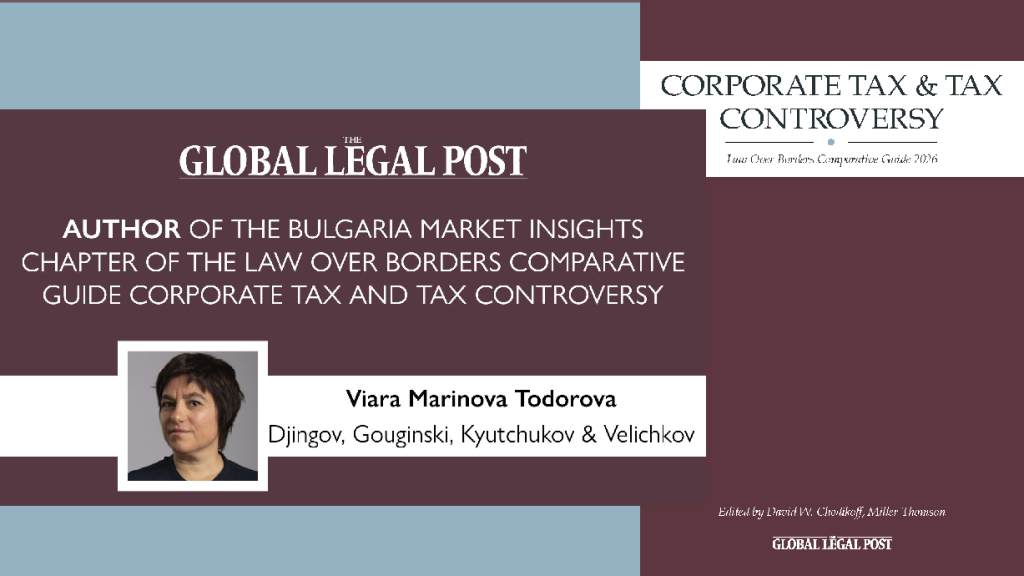
“Treaty relief for transparent entities in Bulgaria”, Market Insights chapter -Bulgaria, Corporate Tax and Tax Controversy Law Guide, Law Over Borders Comparative Guide, published by The Global Legal Post.
Viara M. TodorovaDGKV · Bulgaria
2 Oct 2026

Article
Judicial reorganization is not a safe haven for those who make defaulting on payments their business plan.
Gustavo D'Acol CardosoDC Advogados · Brazil
2 Oct 2026
Article
Strengthening the screening of foreign investments
Catherine NommickBremens Avocats · France
30 Sep 2026

Article
(US) Construction Specifications Institute v. Zerodocs.com: Industry-Standard Taxonomy Held Unprotectable Under Copyright; Nominative Fair Use Defeats Lanham Act Claims (2026)
Elliott AldermanAlderman IP · United States
29 Sep 2026
Article
#beLex: FSMA – Reminder regarding the limits of insurance intermediary status
Denis PhilippePhilippe & Partners Law Firm · Belgium
28 Sep 2026